The Real Cost of Ignoring Roof Moss in Vancouver
If you live in Greater Vancouver, you've seen it on your own roof or your neighbour's: a spreading green-grey carpet of moss and algae that creeps across the shingles year after year. It's easy to dismiss as cosmetic — a bit unsightly but not really a problem. That thinking is one of the most expensive mistakes a Vancouver homeowner can make.
Why Vancouver roofs grow moss so aggressively
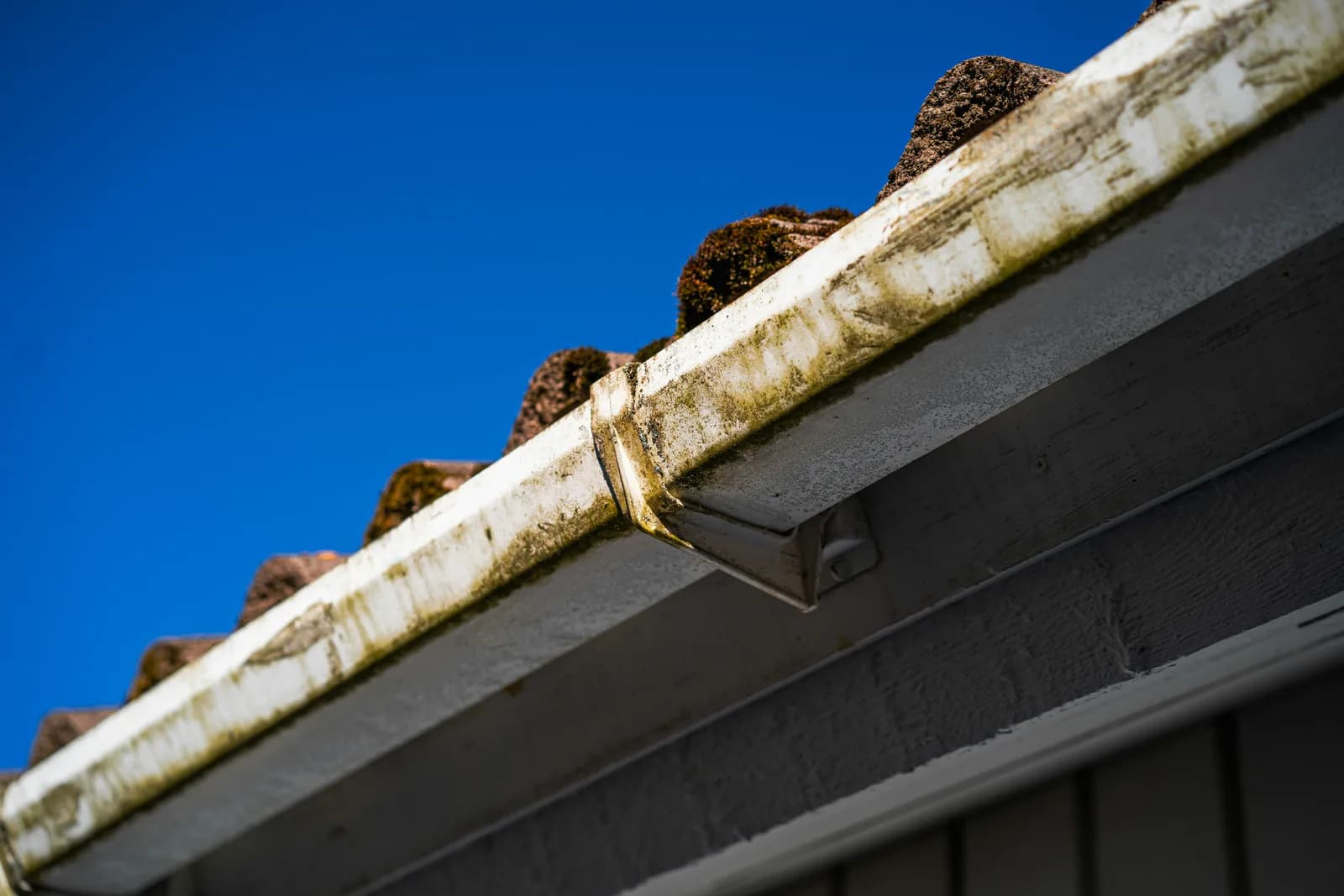
The conditions in the Lower Mainland are nearly ideal for moss growth: persistent moisture, mild temperatures, significant shade from trees and overhanging canopy, and north-facing roof pitches that never fully dry out. Spores arrive on the wind and take hold within months. The moss you notice today likely started establishing itself one to two years earlier. By the time it's visible, it's already embedded.
What moss actually does to your roof
The damage isn't just surface-level. Moss holds moisture against your shingles 24 hours a day, accelerating the breakdown of asphalt granules — the layer that protects shingles from UV and weather. More critically, moss rhizoids (root structures) grow down between shingles and physically lift them, breaking the sealed edge that keeps water out. Once that seal is compromised, moisture works its way under the shingle layer and into the roof deck. From there, the sequence is rot, structural weakening, and eventually the kind of damage that requires professional remediation — not just a new roof.
The numbers: treatment vs. replacement
A professional moss treatment in Greater Vancouver typically runs a few hundred dollars depending on roof size and condition. A full roof replacement in the same market ranges from roughly $12,000 to $28,000 or more, depending on roof complexity, material, and access. Even a partial repair from localized rot damage — replacing decking, flashing, and shingles in a damaged section — routinely costs $2,000–$6,000. Treatment every one to two years isn't just cosmetic maintenance. It's one of the highest-ROI things you can do for your home.
Why pressure washing is not the answer
We see this mistake often. Homeowners rent a pressure washer and blast the moss off the roof. It looks clean afterward — but high-pressure water strips away the asphalt granules that give your shingles their protective layer, and it drives moisture under the shingles at the same time. You've removed the visible moss while accelerating the underlying damage. The right approach is manual removal combined with a treatment solution that kills the spores and inhibits regrowth — no pressure, no granule loss.
How often do Vancouver roofs need treatment?
For most homes with moderate tree cover, we recommend treatment every one to two years. Heavily shaded roofs — especially north-facing — may need annual attention. Roofs with minimal tree coverage and good sun exposure can often go two years between treatments. An annual inspection will tell you where your roof falls on that spectrum.
The simple version
Moss treatment costs a fraction of what roof repairs cost. Vancouver's climate means moss is not a question of if, but when. The homeowners who stay ahead of it pay a little every two years. The ones who don't pay a lot — sometimes when they're least expecting it.
Ready to book?
Free estimates, no obligation. We respond within 1–2 business days.